Don’t Let Hazardous Trees Threaten Your Atlanta Home – Act Before Disaster Strikes
One fierce Georgia thunderstorm can turn a beloved shade tree into a $50,000 insurance nightmare. As ISA-certified arborists serving the greater Atlanta area, Jarvis Tree Experts has removed thousands of hazardous trees before they fall on roofs, cars, or power lines. Knowing these tree removal signs can save your property, your wallet, and even your family’s safety.
Deep Cracks or Splits in the Trunk
A vertical seam wider than 2 inches or running deeper than 25% of the trunk diameter means structural failure is imminent. Atlanta’s freeze-thaw cycles and lightning strikes create these cracks yearly. If you can see daylight through the split, removal is urgent. Jarvis Tree Experts uses resistograph drills to measure hidden decay so you never remove a salvageable tree.
Leaning Suddenly or More Than 25 Degrees
Trees lean naturally, but a new tilt after heavy rain or construction nearby screams root failure. Combined with uplifted soil or exposed roots on the opposite side, it’s one of the clearest tree removal signs. We’ve taken down dozens of Sandy Springs pines that looked “fine” until Hurricane Zeta proved otherwise.
Multiple Dead Branches or No Leaves in Spring
If more than 50% of the canopy is bare while neighbors’ trees are blooming, the tree is dying from the inside. Fungal conks, carpenter ant sawdust, or peeling bark confirm internal rot. Hazardous trees like this drop massive limbs without warning; removal beats the risk every time.
Root Damage from Construction or Severed Roots
Atlanta’s building boom severs roots daily. If heavy equipment compacted soil within 20 feet of the trunk or cut roots larger than your wrist, the tree is destabilized for life. Mushroom growth at the base or sudden mushroom-shaped conks are Mother Nature’s red flags. Tree removal services are cheaper than rebuilding a garage.
Cavity or Hollow Larger Than 30% of the Trunk
Tap the trunk with a mallet; a hollow thud means decay has eaten the heartwood. Our certified arborists measure cavities with sonic tomography; anything over 30% hollow requires immediate removal in high-traffic areas. One Buckhead client ignored a hollow maple; it crushed two Teslas last summer.
Extensive Pest Infestation or Disease
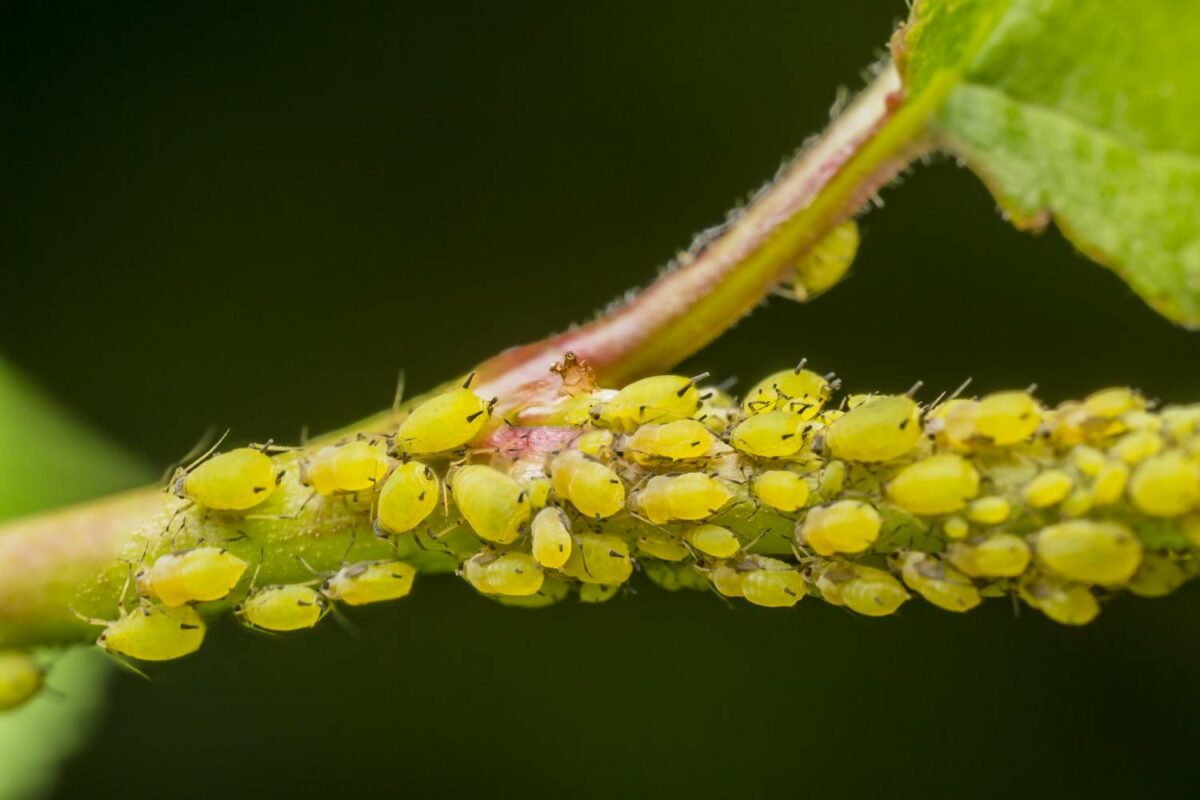
Emerald Ash Borer, Ips beetles, and Hypoxylon canker have wiped out entire Atlanta neighborhoods. Telltale D-shaped exit holes, S-shaped galleries under bark, or black tar-like bleeding signal the tree is already dead and contagious. Swift tree removal services protect your remaining landscape.
Act Fast – Timing Saves Money and Lives
Your Family’s Safety Starts with One Call to Jarvis Tree Experts
Hazardous trees don’t send second warnings. Jarvis Tree Experts offers 24/7 emergency response across metro Atlanta with crane service for the toughest jobs. Fully insured, TCIA-accredited, and Georgia Arborist Association members; we’ve never had a claim in 18 years.
See any of these tree removal signs? Don’t gamble. Call Jarvis Tree Experts at (insert number) or visit jarvistreeexperts.com for a FREE drone + 17-point risk assessment today.
Most tree removal services include stump grinding and debris hauling, starting at $399. Protect your home the way Atlantans have trusted us for two decades.

.jpg)
.jpg)